Spinal Cord Injury Awareness Day 2026

15th May 2026 is Spinal Cord Injury Awareness Day, this annual event aims to raise awareness about spinal cord injuries and the challenges that people face who have this condition – an estimated 105,000 people in the United Kingdom. The day promotes understanding, reduce stigma and highlight the importance of research and most importantly support people who have a spinal cord injury.
It also aims to raise awareness about the realities of living with a spinal cord injury, covering the physical, psychological and social challenges.
Many individuals also experience a loss of confidence, independence and identity following catastrophic injury, particularly where employment, hobbies, sport or family roles are affected. The emotional impact can be as life-changing as the physical injuries themselves.
Early access to rehabilitation, specialist therapies, adapted accommodation, assistive technology and psychological support can significantly improve long-term outcomes. Early intervention is crucial in helping individuals regain confidence, maximise independence and adapt to life after injury.
Whilst there are many challenges, with the right rehabilitation and support, many individuals are empowered to rebuild meaningful and fulfilling lives. Regaining independence is often a long and emotional journey.
This year, the Spinal Injury Association (SIA) will be bringing attention to the provision of spinal cord injury services and NHS England’s intention to transfer commissioning from national to local level in April 2027 – it will launch a new campaign led by the charity sector to safeguard SCI services for everyone across the UK.
In 2025, 4,700 people were injured or diagnosed with a spinal cord injury, this roughly translates to someone becoming paralysed every 2 hours (an increase of 300 additional cases on last years figures) – a spinal cord injury can be caused by traumatic injuries from a road traffic accident, accident at work or a non-traumatic injury such as a tumour, infection or spinal stroke.
The impact of the injury depends on the severity and location in the spinal cord, and may result in complete or incomplete loss of sensory and/or motor function below the injury level.
A spinal cord injury may affect an individual’s capacity to perform daily activities, including mobility, hand function, bladder and bowel control, sexual dysfunction and difficulty in washing and dressing. Many individuals suffer from spasms that are difficult to control, chronic pain, urinary tract infections, pressure ulcers and respiratory complications. There is a misconception that because you have a spinal cord injury the individual does not suffer from pain below their injury level – this is not true. Many clients we have represented describe agonising pain.
Whilst there are many challenges that our clients face, with the right rehabilitation and support, our clients eventually feel empowered to rebuild their life which has purpose and is meaningful for them, regaining their independence and returning to doing the things they loved doing before the accident. This may include going on holidays, going fishing, playing sport, going to the gym, playing golf, looking after their children or enjoying going to a music festival.
When Minster Law is instructed to represent a client with spinal cord injury, we recognise the uncertainty and vulnerability they often face.
They are concerned about how they are going to manage at home, when they are eventually discharged from hospital, their finances, how their family will cope, if their relationship will survive and their mental health.
Minster Law is committed to providing bespoke and highly specialised legal support to advise our clients through each step of the claim process. We ensure that the leading experts are instructed. We work with the leading Barristers Chambers in the country to ensure our clients receive the best possible advice throughout the lifetime of their claim.. We also ensure specialist case managers are instructed who in turn in place a bespoke multi-disciplinary team to support the client and their family. We obtain early and regular interim payments to ensure our clients experience no financial uncertainty.
As well as supporting our clients, we also support our clients’ families. We recognise that spinal cord injuries affect the whole family. Family members should not be expected to take on caring responsibilities without support. If carers/rehabilitation assistants are required, the Case Manager will source a suitable team to help our client.
Many of our clients who sustain a spinal cord injury develop clinical signs of depression. The psychological impact of a spinal cord injury can not be underestimated. It is imperative that our clients receive psychological support, it is also important that their family member also have appropriate psychological support throughout the rehabilitation process.
Charity support
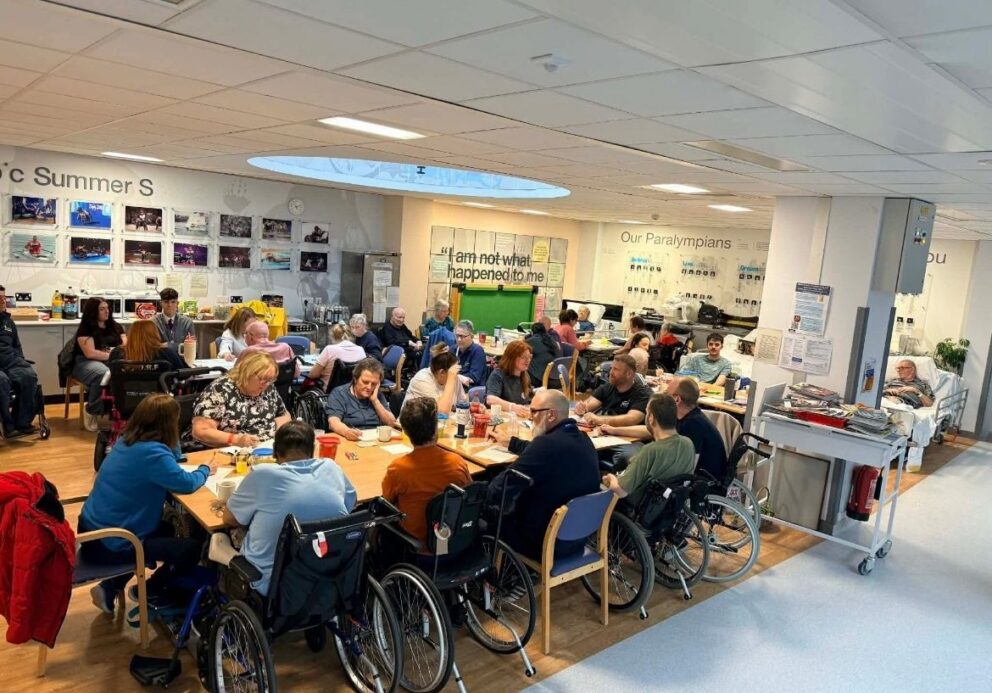
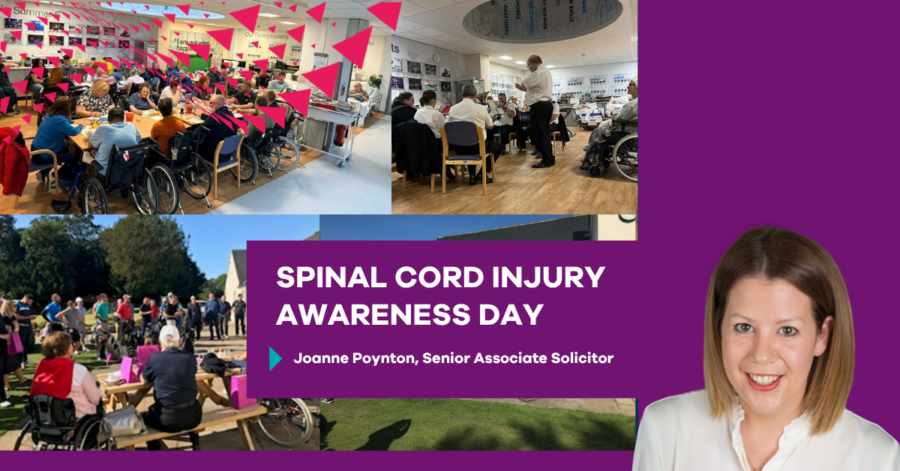
Minster Law is proud to support charities like S.U.R.F (Spinal Unit Recreational Fund), a charity which operates at Pinderfields Spinal Injury Unit in Wakefield. The charity is an incredible support to both in-patients and out-patients. The members organise monthly social gatherings such as a trip to the seaside, going out for a meal, bowling, a day out of the races. They encourage and support people who have experienced life changing spinal cord injuries.
Minster Law hosts various fundraising events throughout the year to help raise money for the charity and to date we have raised over £30,000 for this incredible charity.
We have hosted a golf day, inviting members from SURF to receive coaching from the England disability coach. We have also supported the My Hospitals Charity who are raising money for the spinal ward. We are acutely aware of how lonely some of the members can, at times feel, we often attend the unit for their inpatient quiz nights, to provide ongoing support and connection.
Spinal cord injuries change lives in an instant, but with the right support, they do not define them. This Awareness Day is an opportunity to stand alongside those affected, recognise their resilience and commit to improving the care and services that enable them to move forward with confidence and hope.
Joanne Poynton, Senior Associate Solicitor, said “When I am instructed to represent a client who has sustained a spinal cord injury, it is crucial that I meet the client and their family as soon as possible, so I can explain the process of making a claim and reassure them that my team and I will do everything we can to support them through every step of their case. It is vital that I build a strong relationship with my client as I will be involved in their life for several years. It is important that I know what they were like before the accident, what they enjoyed doing and how I can help them to get back to their pre-accident self as soon as possible.”